
What to Know About Building a House: Key Insights for Homeowners
One of the most complex projects you may face is deciding to build your own home. It is a huge and exciting milestone for any homeowner, but it involves many months (or even years) of planning and saving before the first shovel breaks ground.
If you are beginning to think about building your own home, you may be asking yourself, “what do I need to know about building a house?” In this guide from MCG, we will break down step-by-step what exactly you need to know, the decisions you may face, and how to successfully build your dream home.
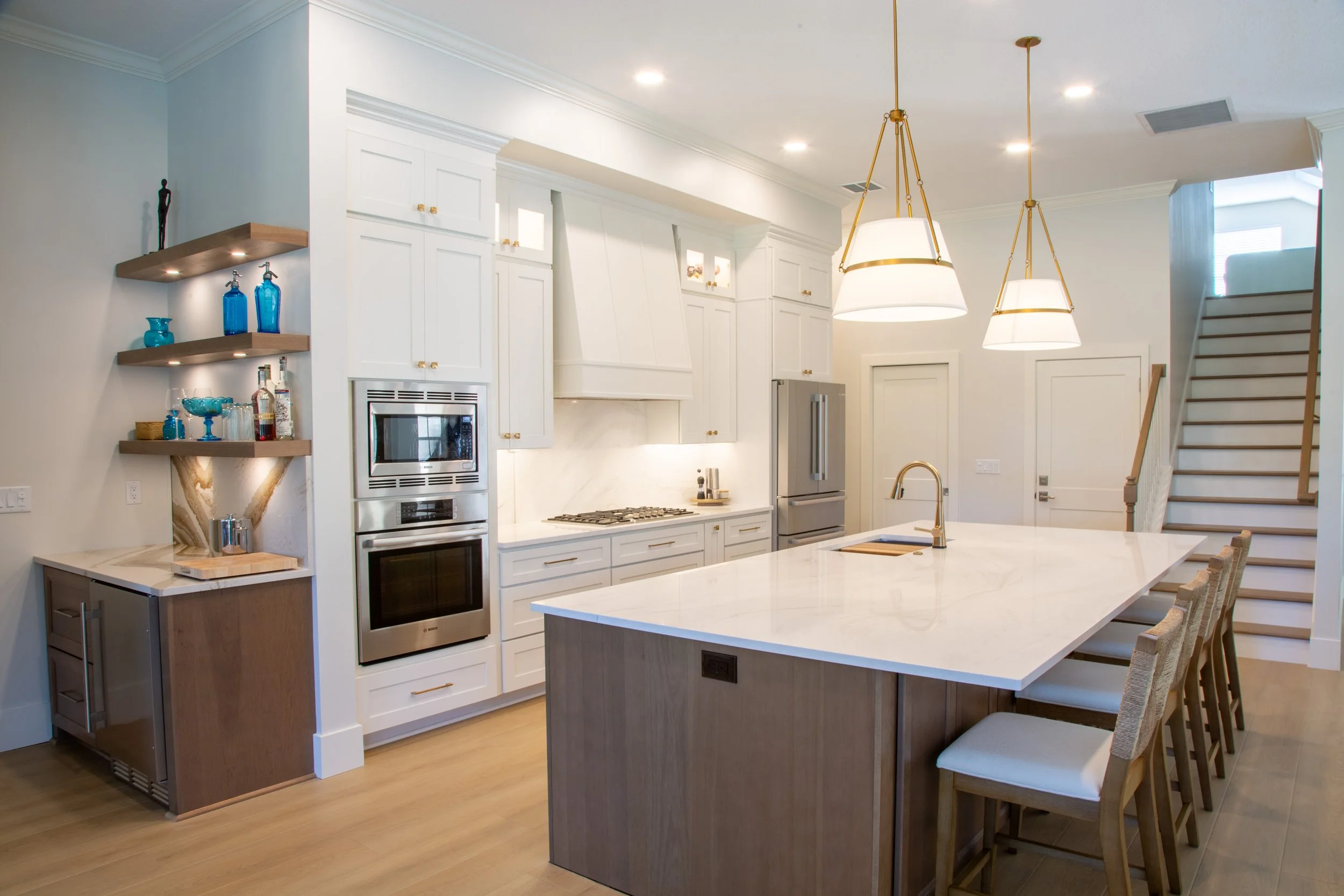
Planning Your Dream Home
If you can dream it, you can do it, and the same goes for designing and planning your dream home. Before you begin researching contractors or designers, you need to sit down and decide on your list of needs and wants.
What type of features are you envisioning in your house? Do you want an open floor plan that is ideal for entertaining and having guests over, or do you prefer a more traditional space with designated rooms with a purpose? Do you have children (or plan to expand your family) and need separate bedrooms for each child? Do you work from home and need an expansive home office or are you a gym buff and want a state-of-the-art space to work up a sweat? Are you a multigenerational household or want an aging-in-place home?
Once you have your list of wants and needs, work with a designer or architect to translate your ideas into design plans. Additionally, take the time to ensure that your design choices align with local and state zoning laws and are compliant with any homeowners associations you may have (if any). Taking these steps will ensure that your design is compliant from the start, avoiding costly changes down the line.
Budgeting for Your Build
The overall cost of your build will vary depending on your home’s size, location, interior and exterior finishes, and other factors. This is why having a clearly defined budget (with some “rainy day funds” available) is critical to avoiding a more expensive construction process.
Within your budget, be sure to consider:
Design and permits: These include architectural design plans, building permits, and engineering inspections.
Construction: This will be a major area of your budget, so ensure that you have enough saved to cover the labor, materials, and contractor fees.
Interior and Exterior Finishes: This includes landscaping, cabinets, flooring, lighting, and other features that give your home that polished look.
Land costs: Before you build, you need land to build on. This cost not only includes the price of the land itself, but also any preparation including tree removal, utility line hookups, and over land leveling.
Rainy Day Fund: Factor in some extra funds “just in case.” Aim for 10-15% of your overall budget.
To keep everything easy and organized, track your expenses in a budgeting app or Excel spreadsheet.
Hiring the Right Contractors
Building your dream home is a team effort. You need a team of professionals who are skilled, highly recommended, and reliable. Ask your family, friends, or within the community for recommendations and take the time to appropriately research these recommendations. Read reviews, ask to see examples of past work, and do not be afraid to ask questions to multiple contractors.
Once you have narrowed down your options, check to ensure that these companies have the appropriate licenses and insurance required through the state. Ask for detailed and itemized quotes that show exactly how your money is being spent and pay attention to how attentive and communicative each company is. After you have finalized which contractor is the best for you, be sure to get a written contract with a clear project timeline, payment schedule, and communication plan. Remember, the best contractor for your project may not be the cheapest, but they will be the one who makes you feel comfortable and confident that they will get the project done well.
Essential Materials and Tools
Your trusted roofing contractor will be able to recommend the best materials for your budget and will have the necessary tools to build your home. However, the materials you choose will impact its longevity and your comfort, personal taste, and overall energy efficiency of your home. Some areas to keep in mind include:
Windows and doors: If you are building in Florida, storm shutters and doors are recommended to protect your home from harsh weather, especially hurricanes.
Insulation and drywall: These are mostly unseen but are important for temperature control within your home.
Framing and support walls: Decide between wood and steel beams for your home’s skeleton.
Foundation: A properly built foundation keeps your home structurally sound.
Your contractor will be able to discuss various options with you including recycled materials, solar panels, and other energy-efficient materials.
Building Permits and Regulations
Once you have your contractor set, plans laid out, and materials chosen, you will need to acquire the right building permits. Many contractors will handle this process for you but take the initiative and make sure you know which permits they are applying for and request copies for your own records. Skipping this crucial step will mean delays, fines, and even problems years later if you decide to sell your home.
Preparing the Construction Site
After you have all the appropriate permits, it is time to start building! Preparation is vital to laying the foundation of a strong home so your building team will clear and grade the land. A surveyor will mark the property boundaries, utility lines such as water, gas, and electric will be laid, and the foundation will be poured. Then, your home will truly begin to take shape.
Monitoring Progress and Quality
Throughout the construction process, be sure to stay in the communication loop between your building contractor and any other skilled tradespeople you may hire. Visit your building site regularly to keep eyes on the project and spot any potential issues or delays early. By doing this, you will keep a close eye on any construction timeline milestones such as framing, roofing, or other finishes and ensure that the correct materials are being used. Furthermore, throughout the process, ask your contractor if they are continuing to adhere to your budget and do not be afraid to make changes if needed. By maintaining open and transparent communication, you will keep your project on time and build trust.
Adding Personal Touches
At last, your dream home is almost complete! The final and most exciting step is to add your personal design choices to the interior and exterior. This includes paint colors, lighting fixtures, storage units, landscaping and outdoor furniture, and any smart home features such as digital thermostats and remotes. Even a few personal touches can turn your house into a cozy home.
Building your dream home can be overwhelming at first, but taking the proper steps to prepare for the project will provide you with confidence and assurance that the project will be done correctly. Taking the time to clearly define your budget, research your home contractor, and set up clear project timelines will guarantee that your home will be tailored to your wants and needs.
Ready to build the home of your dreams? Reach out to the trusted team at MCG today to get started.