
The 7 Most Common Remodeling Mistakes — and How to Avoid Every One of Them
A home renovation is one of the most exciting things you can do as a homeowner. It’s also one of the easiest ways to spend more money than you planned, wait longer than you expected, and end up with a result that doesn’t quite match the vision you had in your head.
After 15+ years of building and renovating homes across Northeast Florida, our team at MCG has seen the same mistakes show up again and again — not because homeowners aren’t smart or careful, but because no one warned them what to watch for. Consider this your warning.
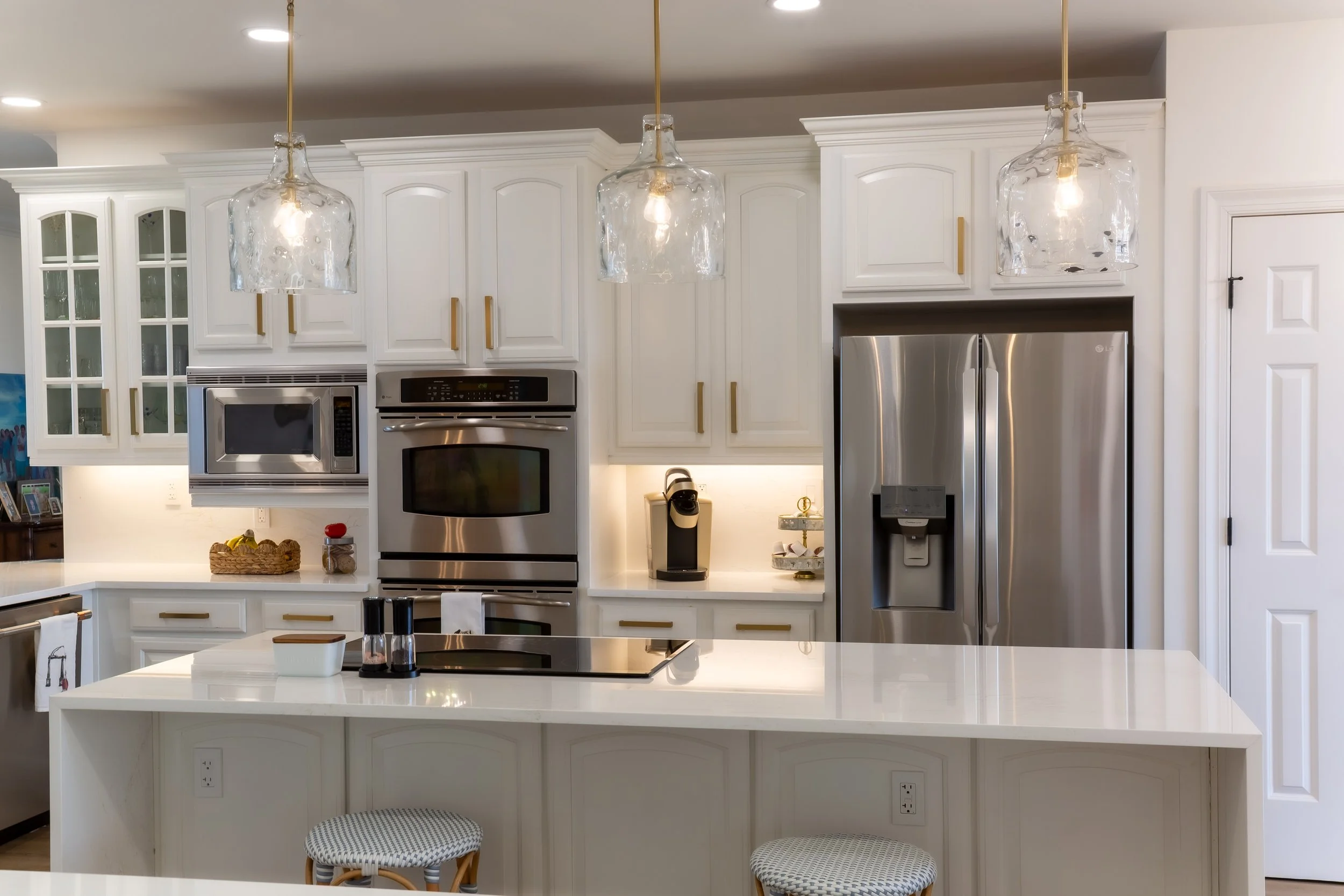
1. Starting Construction Before the Design is Finished
This is the single most expensive mistake homeowners make. It feels productive to break ground while the design is still being finalized — but every decision that gets made late costs more than it would have made early.
When plans change mid-construction, work gets redone, materials get reordered, and timelines stretch. We once watched a beachfront renovation “celebrate a birthday” because the design was never truly locked in before demolition started. The final project was beautiful. Getting there was painful and expensive for everyone involved.
The fix is simple: resist the urge to start until the plans are complete and signed off. Every week you invest in planning is a week of stress you won’t have to spend fixing something later.
2. Building a Budget Around a Number, Not a Scope
“We want to remodel the kitchen — our budget is $80,000.” That’s a starting point, not a plan.
Without knowing the full scope — layout changes, appliance tier, cabinet style, countertop material, electrical upgrades — no number means anything. Homeowners who skip this step often hit a painful moment midway through when they realize the budget is gone and the project isn’t finished.
At MCG, we use a Budget Backwards approach: we start with your number, define your priorities, and build a scope that’s actually achievable within what you have. The goal is zero surprises.
3. Skipping the Contingency Fund
Even on well-planned projects, the unexpected shows up. Outdated wiring behind a wall. A subfloor that needs replacing. A tile that’s been discontinued. These aren’t signs of a bad contractor — they’re signs of an older home.
If your budget is perfectly allocated with nothing left over, any one of these discoveries will derail you. We recommend setting aside 15–20% of your total project budget as a contingency before construction begins. Think of it as insurance you hope not to use.
4. Choosing a Contractor Based on Price Alone
The lowest bid is the most expensive way to remodel. We’ve said it before and we’ll keep saying it, because it’s true every time.
Low bids typically signal one of a few things: the contractor underestimated the scope, plans to use cheaper materials, lacks the experience to know what the job actually costs, or is counting on change orders to make up the difference once you’re already committed.
The right contractor will give you a detailed, itemized estimate and welcome your questions. They’ll also be licensed, insured, and willing to connect you with past clients. The relationship matters as much as the number.
5. Making Design Decisions During Construction
Renovation projects require hundreds of decisions — finishes, fixtures, hardware, tile patterns, paint colors. When those decisions get pushed into the active construction phase, the project slows down and costs go up.
Subcontractors wait. Materials get held. The schedule compresses. And you’re making choices under pressure, in the middle of a construction zone, instead of from a calm and informed place.
Front-loading your selections — locking in as many decisions as possible before demolition begins — is one of the most effective things you can do to keep a project on time and on budget.
6. Underestimating How Upgrades Affect Other Systems
One of the most common surprises in renovation: you upgrade the windows and improve the insulation, and suddenly your HVAC system is the wrong size for the home it’s now conditioning.
That’s not an anomaly — it’s a natural consequence of improving one system without accounting for how it interacts with others. New windows create a tighter envelope. A tighter envelope changes your heating and cooling load. An undersized or oversized HVAC unit creates humidity problems, inconsistent temperatures, and long-term wear.
Experienced contractors think through these ripple effects before they happen. When evaluating a renovation scope, the right question isn’t just “what do we want to change?” — it’s “what else will that change affect?”
7. Not Verifying Permits and Licensing
Unpermitted work is a problem you don’t discover until you try to sell your home — or until something goes wrong. Skipping permits might seem like a shortcut in the short term, but it can mean fines, mandatory tear-outs, and failed inspections when you least expect them.
Always verify that your contractor is pulling the appropriate permits and that their license is current and valid in the state of Florida. A reputable contractor will handle this without hesitation and will be glad to share documentation.
Work with a Team That’s Seen It All
There’s no substitute for experience. The mistakes on this list aren’t hypothetical — they’re patterns we’ve seen across more than 400 completed projects over 15 years. Our job isn’t just to build and renovate; it’s to guide you through a process that has a lot of moving parts, and make sure the common pitfalls don’t become your story.
If you’re planning a renovation and want to start with a clear scope, a realistic budget, and a team you can trust, we’d like to talk.