
What to Expect During a Home Remodel: A Phase-by-Phase Guide for North Florida Homeowners
A home renovation is one of the most significant commitments you’ll make — financially, logistically, and personally. Most homeowners focus on the end result: the finished kitchen, the expanded living space, the project they’ve been imagining for months. What they’re less prepared for is the journey to get there.
After building and renovating homes across North Florida since 2009, we’ve learned that the clients who come through the process feeling good about it aren’t the ones who had the easiest projects. They’re the ones who knew what was coming.
Here’s a phase-by-phase look at what a remodel actually involves — and how MCG approaches each one.
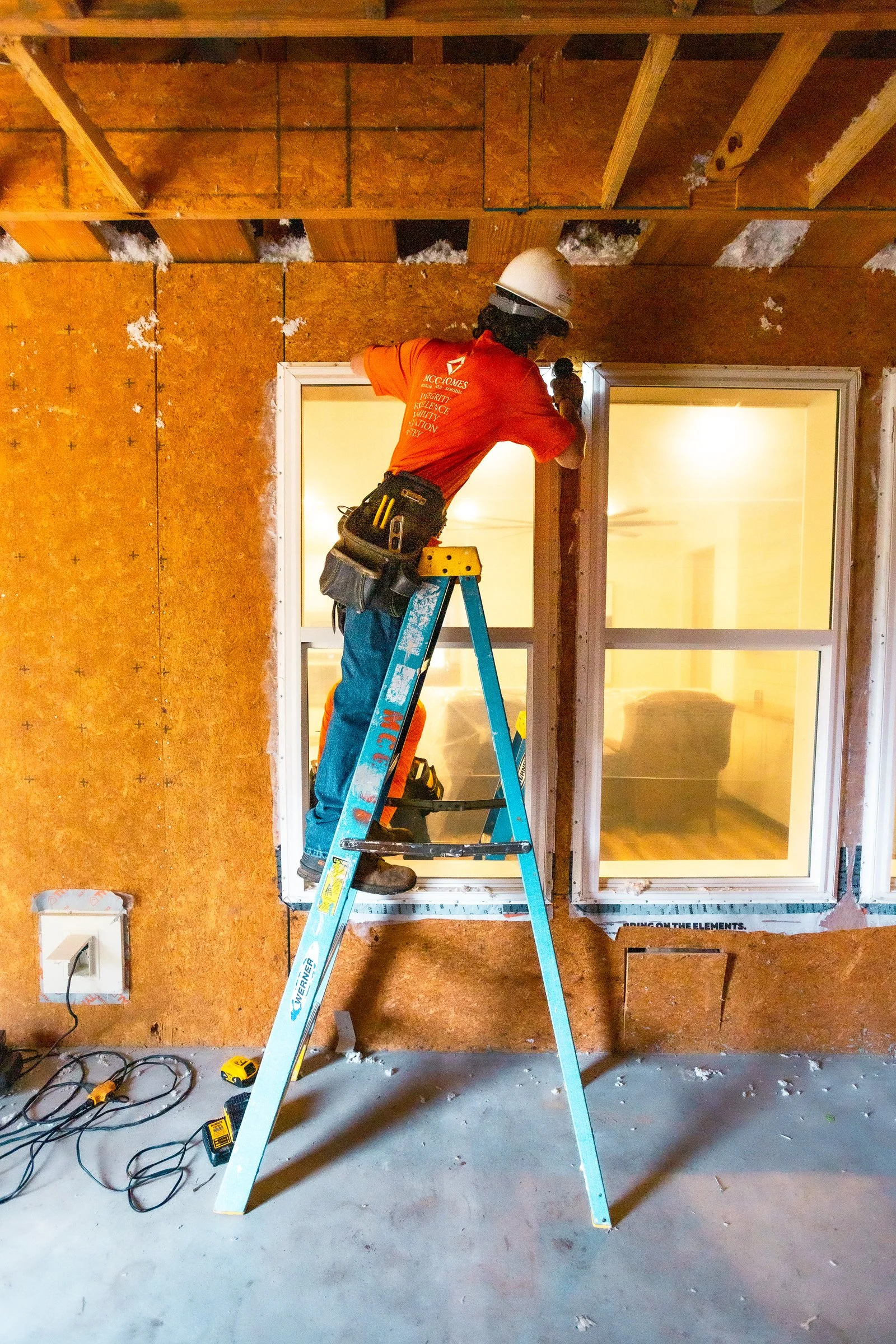
Phase 1: Pre-Construction Planning
The timeline for a remodel doesn’t start when the crew shows up. It starts weeks — sometimes months — earlier.
Design, material selection, permitting, and pre-construction coordination all happen before a single wall comes down. This phase gets rushed more than any other, and when it does, the consequences show up later in the form of change orders, delays, and decisions made under pressure.
We once pressed forward on a beachfront renovation before the design was fully complete. Work was done out of order, materials changed mid-project, and the timeline stretched so long the project celebrated a birthday. The final result was excellent. The process was painful for everyone. That experience reinforced what we already believed: planning isn’t an obstacle — it’s the foundation.
Front-loading your selections before construction begins is one of the most effective things you can do to protect your timeline and budget. Material lead times and local permitting can both add weeks to a project. A well-prepared job accounts for both before the first nail is driven.
Phase 2: Demolition
Demolition is fast, loud, and oddly satisfying. Watching a dated space come apart is one of the few phases where progress is visible every single day. Homeowners often feel energized here.
What catches people off guard is the moment it ends. When the demo dust settles, you’re officially living in a construction zone — and the work gets quieter from here before it gets louder again.
Phase 3: Rough-Ins (The Hidden Phase)
This is the most misunderstood phase of any renovation. Plumbers and electricians are working hard behind your walls, but to the naked eye, nothing appears to be happening — and the budget is still moving.
The work here is critical. Your home’s infrastructure is being updated and modernized. But the visual plateau is real, and this is typically where project fatigue first sets in. Knowing it’s coming makes it easier to push through.
Phase 4: Drywall and Dust (The Hardest Phase)
Drywall is when disruption peaks. Fine dust settles on everything despite containment barriers, the crew’s footprint in your daily life feels heaviest, and the finish line still feels far off.
The upside: rooms finally have shape again. But there’s no sugarcoating it — this phase is hard.
Two things help: designate one room as a construction-free zone where no tools, dust, or project conversations are allowed. And if your schedule allows it, plan a long weekend away during drywall or flooring installation. You leave exhausted and come back to a home that’s cleared a major hurdle.
Phase 5: Finishes and Trim
This is where your vision starts becoming three-dimensional. Cabinets go in, tile gets set, and the space finally looks like something.
Decision fatigue is common here. You may find yourself genuinely worn down by choices over grout color or hardware placement. That’s normal — it doesn’t mean anything is wrong. It means you’re close. Stay the course.
Phase 6: Punch List and Walkthrough
The crew wraps up. The dust is gone. Furniture comes back in. There’s a short settling-in period as you get to know your new space — and that first morning in a finished kitchen makes everything that came before it feel worth it. Remaining punch list items may take a few additional days to close out, but the finish line is real.
What Good Communication Looks Like Throughout
A project that’s on schedule and on budget still feels stressful if you don’t know what’s happening. At MCG, communication is built into the process at every phase:
Pre-construction walkthrough — scope, timeline, and logistics reviewed together before day one
Weekly progress updates — what was completed, what’s next, and anything that needs your input
Milestone checkpoints — at demo completion, rough-in inspections, and finish work kickoff, we connect before moving forward
Direct access — questions don’t wait for scheduled updates; our team stays reachable throughout
Transparency isn’t a marketing word for us. It’s how we actually run projects.
Ready to Get Started?
A remodel done right is a project you’d be willing to do again. That starts with going in with clear expectations — and a team that keeps you informed every step of the way.